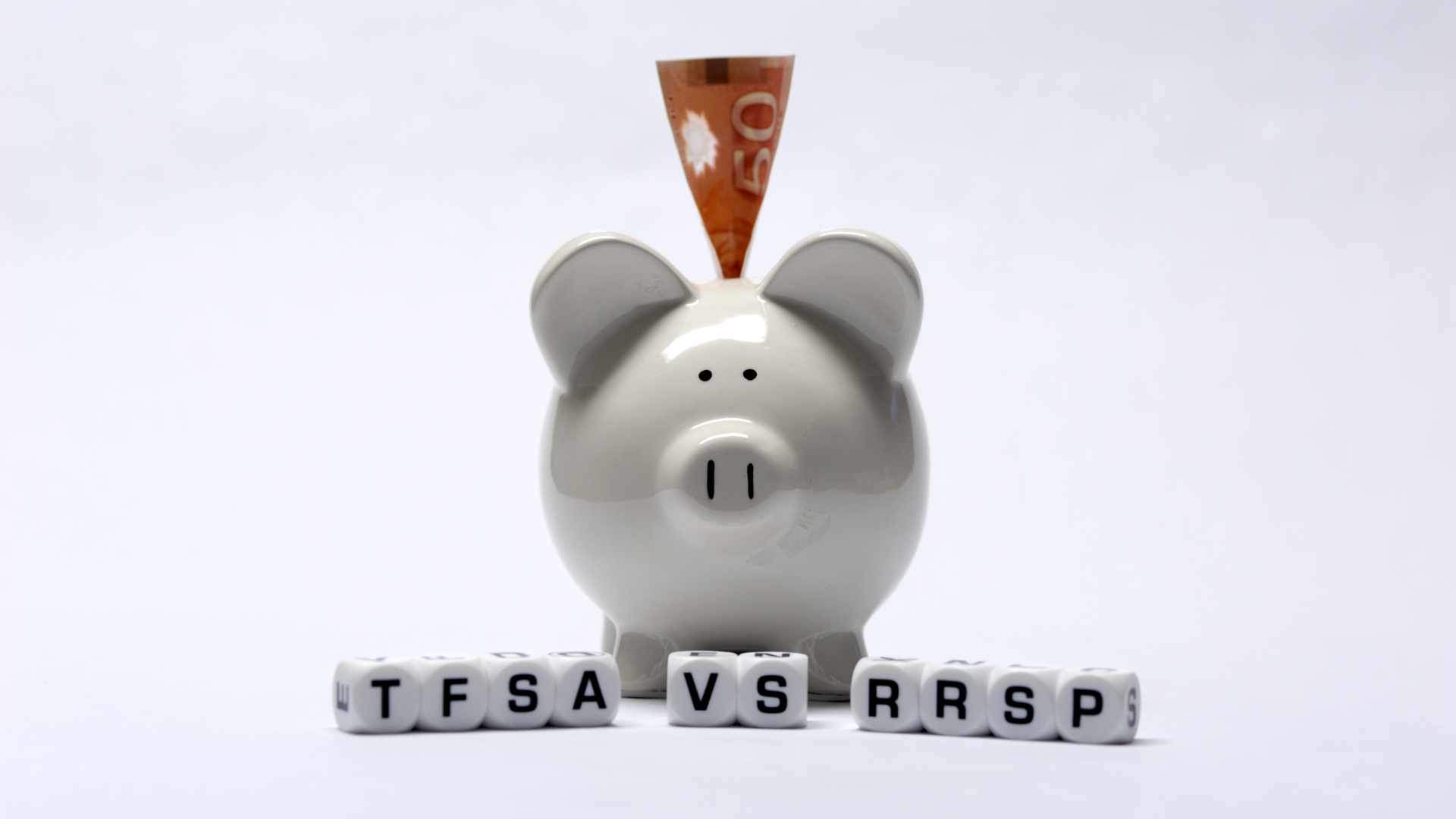
What is the Difference Between a TFSA Vs RRSP?
- mila
- January 10, 2024
- Finance
- difference between tfsa and rrsp, rrsp vs tfsa canada, tfsa vs rrsp
- 0 Comments
Are you confused about the difference between a TFSA and an RRSP? Don’t worry, you’re not alone. Many people find these acronyms puzzling, but understanding the basics of these two popular savings accounts is crucial for your financial well-being. Whether you’re saving for retirement or just looking to grow your wealth, knowing the ins and outs of TFSAs and RRSPs can make all the difference in achieving your financial goals.
In this blog post, we’ll break down the differences between a Tax-Free Savings Account (TFSA) and a Registered Retirement Savings Plan (RRSP). We’ll explore eligibility requirements, contribution limits, withdrawal rules, tax implications, and advantages of each account type, debunk some common misconceptions surrounding them, and even touch on other savings options available to Canadians.
So buckle up as we embark on this journey to unravel the mysteries behind TFSAs versus RRSPs. By the end of this article, you’ll have a clear understanding of which option suits your needs best! Let’s dive right in!
The Basics of TFSA and RRSP
 TFSA and RRSP – these acronyms may sound like a bunch of jumbled letters, but they represent two popular types of savings accounts in Canada.
A Tax-Free Savings Account (TFSA) is exactly what it sounds like – a savings account where your earnings grow tax-free. You can contribute up to a certain limit each year, and any withdrawals you make are also tax-free.
On the other hand, a Registered Retirement Savings Plan (RRSP) is designed specifically for retirement savings. Contributions to an RRSP are tax-deductible, meaning you can reduce your taxable income by the amount you contribute. The earnings in an RRSP are tax-deferred until withdrawal during retirement.
Understanding these basics will set the foundation for our exploration into TFSA vs. RRSP – so let’s keep going!
Eligibility and Contribution Limits
When it comes to your financial future, understanding the eligibility requirements and contribution limits of a TFSA or RRSP is crucial. Let’s start with the TFSA. Any Canadian resident who is 18 years or older can open a TFSA, regardless of their income level. The annual contribution limit for TFSAs is set by the government and may vary from year to year.
On the other hand, an RRSP has different eligibility criteria. To contribute to an RRSP, you need to have earned income and file a tax return in Canada. The contribution limit for an RRSP is based on your previous year’s income and also has yearly maximums set by the government. It’s important to note that unused contribution rooms can be carried forward in both types of accounts, giving you more flexibility in saving for your future goals without any penalties or rush!
Withdrawals and Time Limits
 Withdrawals and time limits play a significant role in distinguishing between TFSA and RRSP. With a TFSA, you have the flexibility to make withdrawals at any time without penalties or tax consequences. Whether it’s for emergencies, vacations, or major purchases, your money is accessible whenever you need it.
On the other hand, RRSPs have specific rules regarding withdrawals. While contributions are tax-deductible, any withdrawals made before retirement age will be subject to taxes. Additionally, there are annual minimum withdrawal requirements once you reach a certain age. This means that RRSPs are better suited for long-term savings goals rather than short-term needs. Understanding these differences can help you decide which account aligns best with your financial objectives.
Tax Implications and Advantages
When it comes to taxes, both the TFSA and RRSP offer some significant benefits. Contributions made to an RRSP are tax-deductible, meaning you can deduct them from your taxable income for the year. This can result in a lower overall tax bill. On the other hand, contributions to a TFSA are not tax-deductible, but any investment growth within the account is completely tax-free.
Furthermore, withdrawals from an RRSP are subject to taxes at your marginal tax rate at the time of withdrawal. In contrast, withdrawals from a TFSA are completely tax-free. This means that if you anticipate being in a higher tax bracket during retirement, contributing to an RRSP may provide more long-term savings. However, if you think your income will be similar or higher during retirement than it is now, then utilizing a TFSA could be advantageous as you won’t have to pay taxes on your withdrawals.
Choosing Between TFSA and RRSP
 When it comes to choosing between a TFSA and RRSP, there are several factors to consider. Both accounts offer tax advantages, but they have different purposes and implications.
With a TFSA, you can contribute after-tax dollars, and any growth is tax-free. It’s ideal for short-term savings goals or emergency funds that you may need access to at any time. On the other hand, an RRSP allows you to contribute pre-tax dollars, which reduces your taxable income now but will be subject to taxes when withdrawn in retirement.
Deciding between the two depends on your financial goals, timeline, and income level. Consider consulting with a financial advisor who can help determine which account is best suited for your individual circumstances.
Common Misconceptions
There are several common misconceptions when it comes to understanding the differences between a TFSA and an RRSP. One misconception is that you can only contribute to one or the other, but in reality, you can contribute to both accounts simultaneously if you meet the eligibility criteria. Another misconception is that withdrawals from an RRSP are always taxed heavily, while withdrawals from a TFSA are tax-free. While this may be true for certain situations, it’s important to understand that there are specific rules and regulations regarding both types of accounts.
It’s also a common misconception that contributions to an RRSP automatically result in a tax refund. While contributing to an RRSP can certainly provide tax advantages, the amount of your refund will depend on various factors, such as your income level and contribution limit. Additionally, some people mistakenly believe that they must wait until retirement age before accessing funds in their RRSPs without penalty. However, there are circumstances where early withdrawal may be allowed without facing significant penalties or taxes.
Other Savings Options
RESP (Registered Education Savings Plan) is another savings option worth considering. It allows you to save for your child’s education and offers tax advantages similar to a TFSA or RRSP. Contributions are not tax-deductible, but the growth is tax-deferred until withdrawn for educational purposes.
FHSA (First-Time Home Buyer’s Account) is specifically designed to help first-time homebuyers save towards their down payment. Similar to a TFSA, it offers tax-free growth on your contributions and allows flexibility in withdrawals. The maximum contribution limit is $35,000 over four years.
Other investment accounts like non-registered brokerage accounts or high-interest savings accounts can also be considered alternative savings options depending on your financial goals and risk tolerance. These options may offer different levels of taxation or accessibility compared to TFSAs and RRSPs.
What is the Difference Between a TFSA Vs RRSP?
 1. RESP
 1. RESP
RESP stands for Registered Education Savings Plan. It is a tax-advantaged account designed to help parents save for their child’s post-secondary education. With an RESP, contributions are not tax-deductible, but the earnings grow tax-free until withdrawn. The government also provides grants and incentives to encourage savings in an RESP.
One of the main benefits of an RESP is the Canada Education Savings Grant (CESG), which matches 20% of annual contributions up to a certain limit. This can significantly boost your savings over time. Additionally, any investment income earned within the plan is not taxed until it is withdrawn by the student when they start attending post-secondary education.
RESPs provide a great way to save for your child’s future educational expenses while enjoying various tax advantages and government grants along the way.
2. FHSA
A FHSA, or Flexible Homeownership Savings Account, is another savings option to consider when planning for your future. This account is specifically designed to help Canadians save for the purchase of their first home. With a FHSA, you can contribute up to $5,000 per year with a lifetime limit of $25,000. The great thing about this type of account is that any interest earned on your contributions remains tax-free until you withdraw the funds for the purpose of buying a home.
By taking advantage of a FHSA, you can enjoy potential tax savings while saving towards one of life’s biggest milestones – owning your own home! Keep in mind that these accounts have specific rules and regulations regarding withdrawals and eligibility criteria, so it’s important to do your research and consult with a financial advisor before opening one.
Other Investment Accounts
In addition to TFSA and RRSP, there are other investment accounts that can help you grow your savings. One such account is the Registered Education Savings Plan (RESP), which allows you to save for your child’s education tax-free. Another option is the First Home Savings Account (FHSA), designed specifically for saving towards purchasing a home.
Apart from these specialized accounts, there are various other investment options available, such as non-registered investment accounts or high-interest savings accounts. These alternatives may not offer the same tax advantages as a TFSA or RRSP but can still be valuable tools in diversifying your investments and achieving your financial goals.
Conclusion
When it comes to choosing between a TFSA and an RRSP, there is no one-size-fits-all answer. Each option has its own benefits and considerations that are unique to your personal financial goals and circumstances.
If you are looking for flexibility, the ability to withdraw funds at any time without penalty, and tax-free growth on investments, then a TFSA might be the right choice for you. On the other hand, if you want to maximize your long-term retirement savings potential through tax deductions and potentially lower taxes in retirement, an RRSP may be more suitable.
It’s important to consider factors such as eligibility criteria, contribution limits, withdrawal restrictions, tax implications, and your overall financial objectives when making this decision. Consulting with a financial advisor can also provide valuable guidance tailored specifically to your situation.
Remember that while both TFSAs and RRSPs offer significant advantages for saving towards different goals or stages of life, they should not be viewed as mutually exclusive options. Many individuals find it beneficial to have both accounts working together within their overall investment strategy.
Making informed decisions based on your unique circumstances will help ensure that you make the most out of these powerful savings vehicles. So, take some time to evaluate your needs and explore all available options before determining which route will lead you toward achieving your financial aspirations!