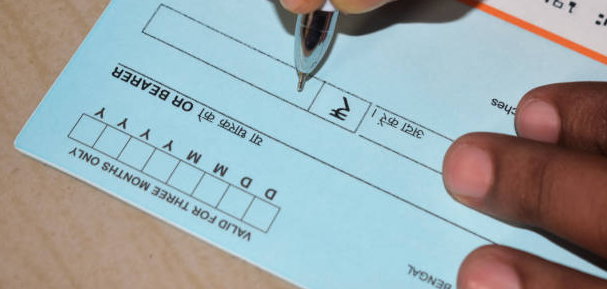
How to Write a Cheque in Canada?
- mila
- May 13, 2023
- Finance
- Canada Banking, Personal Finance Canada, Writing cheques in Canada
- 0 Comments
Are you new to Canada and have no idea how to write a cheque? Or maybe you’ve been using digital payment methods for so long that writing a cheque seems foreign. Don’t worry. We’ve got your back! This blog post will guide you through writing a cheque in Canada step-by-step. From filling out all necessary information to understanding what goes behind or on the back of a cheque – we’ve got it all covered. So grab a pen, and let’s get started!
What is a Cheque?
A cheque is a legal document instructing a financial institution to pay a specific amount from one person’s bank account to another. It is an alternative payment method for transactions without accepting cash or credit cards.
Cheques can be written by anyone with a chequing account with their bank, and they come in different types, such as personal, business and certified cheques. Each type serves its own purpose, depending on the situation.
When writing a cheque, the writer must include important information such as the recipient’s name, date of transaction, the amount in numbers and words, signature and memo if necessary. This ensures that the cheque can be processed correctly without any issues.
It’s worth noting that unlike instant digital payments; it takes time for funds to clear when using paper-based methods like cheques. Thus it’s essential to ensure you have sufficient funds before writing a cheque so that it won’t bounce due to insufficient funds.
How Does a Cheque Work in Canada?
In Canada, a cheque is a common method of payment. A cheque works by allowing the person or business receiving the payment to draw funds from the account of the person who wrote the cheque. The bank then transfers those funds from one account to another.
When someone writes a cheque, they essentially permit their money to be transferred to another party. This transfer only occurs when the recipient cashes or deposits the cheque at their own financial institution.
Once deposited, it may take several days for the funds to clear and become available in the recipient’s account. During this time, there is always a risk that the cheque could bounce if insufficient funds are in the writer’s account.
Despite advances in electronic payments and online banking, cheques remain popular among businesses and individuals in Canada due to their ease of use and familiarity. First, however, both parties must understand how cheques work to ensure transactions go smoothly without any issues or delays.
What Are Cheques Used for in Canada?
Cheques are a commonly used method of payment in Canada. They offer a secure and reliable way to make transactions without the need for cash or electronic transfers. Cheques can be used for various purposes, from paying bills and rent to buying goods and services.
Many businesses still prefer to receive payments by cheque as it offers several benefits, such as avoiding credit card processing fees. Additionally, cheques provide an easy way to keep track of payments made and received.

Individuals also use cheques for personal transactions such as loan repayments, gifting money or splitting expenses among friends. It is important to note that when writing a cheque, it should be made payable only to the intended recipient stated on the “payee” line.
Organizations may issue cheques directly instead of processing them through bank accounts in certain situations like government tax refunds or insurance payouts.
While alternative payment methods have become increasingly popular in recent years, cheques hold significance in financial transactions across Canada due to their convenience and reliability.
How to Write a Cheque in Canada?
Cheques are still a popular payment method in Canada, despite the rise of online banking and digital payments. Writing a cheque is a straightforward process that requires attention to detail and accuracy.
To write a cheque in Canada:
- Write the date on the line at the top right-hand corner.
- Use the full date format (day/month/year) to avoid confusion.
- Fill out the name of the payee on the “Pay To The Order Of” line using their full legal name.
In order to prevent fraud or mistakes in processing your cheque, make sure you spell out clearly and accurately how much money you are paying in words, alongside filling out numbers in figures just below it. This will help ensure there is no discrepancy between what was written numerically.
Sign your name on the bottom right-hand corner of your cheque where indicated, as this serves as authorization for release or withdrawal from your account.
Remember that when writing cheques with cents included after dollars amount must include both numerical amounts as well as words so there’s no ambiguity about its value. Double-check everything before submitting it for deposit or mailing- ensuring proper details have been filled in completely without any typo errors.
How to Write a Cheque With Cents in Canada?
Writing a cheque with cents in Canada initially seems daunting, but it’s quite easy once you know the steps. Firstly, ensure you have enough funds to cover the amount you’re writing the cheque for.
Next, write out the dollar amount of your cheque in words on the appropriate line. For example, writing a cheque for $50 and 25 cents would write “Fifty dollars and twenty-five cents” on this line.
After completing this step, move on to numerically writing out the same dollar amount into the small box provided. In our previous example of $50 and 25 cents, simply write “50.25”.
Add your signature at the bottom right-hand corner of your cheque after confirming that everything is written correctly.
It’s important to remember that accuracy is key when filling out cheques with cents, as any errors could render them invalid or cause issues with processing time by banks or other financial institutions.
What is the Correct Way to Write a Cheque?
When writing a cheque in Canada, following the correct format is important. The proper way to write a cheque involves several key elements that must be included.
Firstly, ensure that you are using an official cheque from your bank. Next, start by filling out the date on the top right-hand corner of the cheque. Finally, use either numerical or written form for the amount paid on the line provided.
In words, make sure you write out clearly and accurately what the payment is for. For example, “One thousand dollars and 00/100” would be appropriate wording if you’re paying $1,000 even.
Ensure you sign your name on the bottom right-hand side of your cheque and add any additional information required, such as an account number or invoice number, in case this is needed by whoever will be depositing or cashing your cheque.
Remember not to leave empty spaces within your entry – draw lines through them instead so no one can alter anything after it has been issued!
Following these steps when correctly writing a cheque in Canada will help avoid confusion and potential errors during processing!
How Do I Write a Cheque in Canada TD?
If you’re a TD Bank customer in Canada, writing a cheque is easy and straightforward. Here’s how you can write a cheque with TD Bank:
- Date: Start by writing the date on the top right-hand corner of the cheque. Make sure to use the proper format (e.g., DD/MM/YYYY).
- Payee: Write the name of the person or organization you want to pay on the line labelled “Pay to.” Make sure to spell their name correctly.
- Amount: Fill out the space next to “$” with the amount you wish to pay in numerical form.
- Written amount: Below, where you wrote out your numerical amount, write it again in words.
- Signature: Sign your name at the bottom right-hand corner of your cheque.
Remember that cheques are legal documents, so it’s important that all information is accurate and truthful when filling one out!

What Do You Write Behind a Cheque in Canada?
When it comes to writing a cheque in Canada, there are certain details that you need to include for the transaction to be valid. One of those details is what you write behind the cheque.
You’ll find a section called “Endorse Here” or “Endorsement” at the back of your cheque. This is where you put your signature, which signifies that you’re transferring ownership or initiating cashing out of the funds.
If someone else will be depositing or cashing the cheque on your behalf, they will also need to endorse it by signing at the back.
It’s essential to ensure that all endorsements are made clearly and legibly. Any ambiguity in signatures may lead to issues with the processing and clearance of cheques.
In addition to endorsing with a signature, some banks may require additional information such as account and phone numbers. Always check with your bank on their specific endorsement requirements before completing and submitting any cheques.
Do I Need to Write Anything on the Back of My Cheque?
When writing a cheque, including all the necessary information is important. But what about the back of the cheque? Do you need to write anything on there?
The answer is: it depends. If you’re simply using the cheque as payment for goods or services, and don’t need to provide any additional information, then no – you don’t need to write anything on the back.
However, if you’re depositing the cheque into your bank account, then it’s a different story. In this case, most banks require you to endorse the back of the cheque with your signature. This ensures that only you can cash or deposit that specific cheque.
If someone else needs to deposit or cash your cheque (such as a spouse), they will also need their endorsement before presenting it at their bank.
Always check your bank’s specific policies regarding cheques and endorsements. Some may require additional information, such as an account or phone number written on the back, to process properly.
By following these guidelines and checking with your financial institution when needed, you can be sure that your cheques are being used correctly and efficiently without any unnecessary hassle!
Should There Be Anything on the Back of a Cheque?
When writing a cheque, many people wonder if they need to write anything on the back of it. The answer is that while it’s not always necessary, there are times when you might want to add some information.
For example, if you’re depositing the cheque into your account using an ATM or mobile app, you may be asked to endorse the back. Endorsing means signing your name on the back and can help prevent fraud.

Another reason you might want to write something on the back of a cheque is if you’re paying someone else with it. You could include a note or memo explaining the payment in this case.
However, remember that whatever you write on the back of a cheque will be visible to anyone who handles it after that point. So think carefully before adding personal information or details about why you’re making the payment.
Whether or not there should be anything on the back of a cheque depends on how and where it will be used. If in doubt, check with your bank or financial institution for guidance.
Conclusion
Writing a cheque in Canada is a simple process that requires attention to detail and accuracy. Knowing how to write a cheque correctly is essential for financial transactions such as paying bills or purchasing. You can easily fill out your cheques by following the steps outlined in this article.
Always double-check your information before completing the transaction to avoid errors or complications. Additionally, it’s important to keep track of your checkbook and ensure that all entries are accurate and up-to-date.
Writing a cheque may seem like an outdated payment method in today’s digital age, but it still serves an important purpose for many Canadians. Whether you’re just starting with cheques or looking for a refresher on best practices, this guide should provide all the information you need to get started!