What Level of Blood Sugar is Dangerous in Canada?
- mila
- May 13, 2023
- Lifestyle
- Canadian blood sugar levels, Managing diabetes Canada, What Blood Sugar is Dangerous
- 0 Comments
Maintaining healthy blood sugar levels is essential for overall health and wellbeing. In Canada, more than three million people are living with diabetes, while many others are at risk of developing this chronic condition. But what exactly is a dangerous blood sugar level in Canada? Is there a particular number to watch out for? If you’re curious about these questions’ answers, keep reading! In this blog post, we’ll dive into what constitutes normal and unsafe blood sugar levels in Canada and when it’s time to seek medical attention. So grab a cup of coffee or tea as we explore the world of blood sugars together!
What is a Normal Blood Sugar Level in Canada?
When we talk about normal blood sugar levels, we usually refer to fasting blood glucose. This is the amount of glucose in your bloodstream after not having anything to eat for at least eight hours. In Canada, a normal fasting blood sugar level ranges between 3.5 mmol/L and 7.8 mmol/L.
However, it’s worth noting that these numbers can vary depending on factors such as age and pre-existing medical conditions like diabetes or obesity.
To get an accurate picture of your overall blood sugar health, healthcare professionals may also measure your HbA1c levels. This test measures the average amount of glucose in your bloodstream over the past two to three months.
For most individuals without underlying health conditions, maintaining healthy eating habits and regular exercise can help keep their blood sugars within a safe range. However, suppose you’re concerned about your blood sugars or have symptoms like fatigue or excessive thirst. In that case, it’s always best to consult a healthcare professional for personalized advice and treatment options.
What Level of Blood Sugar is Dangerous?
Blood sugar, or glucose, is an essential component that provides energy to our body. However, when the level of blood sugar rises above or falls below the normal range, it can cause serious health problems. So what level of blood sugar is considered dangerous in Canada?
If your blood sugar levels are regularly high (typically greater than 20 mmol/L in adults and greater than 14 mmol/L in children), you may experience mild to severe high blood sugar symptoms. These are some of the symptoms: The vision is hazy. Excessive thirst.

A normal fasting blood sugar level ranges from 70-99mg/dL (milligrams per deciliter). If your fasting blood sugar levels are between 100-125mg/dL, you may have prediabetes and should take necessary precautions to prevent developing type 2 diabetes.
However, if your fasting blood sugar levels exceed 126mg/dL for two consecutive tests, it’s a clear indication that you have diabetes. A safe postprandial (after meal) reading should be less than 180mg/dL within two hours after eating.
If your postprandial reading exceeds this limit and exceeds 200 mg/dL on multiple occasions, it’s considered high and requires immediate medical attention
It’s important to note that prolonged exposure to high levels of blood sugar can lead to complications such as nerve damage, heart disease and stroke. Therefore, checking your daily diet routine and regular exercise will help maintain healthy glucose levels in the body.
What is the Highest Blood Sugar Level That Is Safe in Canada?
It is important to understand the highest blood sugar level that is safe in Canada. This can vary depending on a person’s circumstances, such as age, health condition and any medications they may be taking.
Generally, a healthy fasting blood sugar level should be between 4-7 mmol/L. However, some people with diabetes or other medical conditions may have higher levels that are still considered safe for them.
For example, people with type 2 diabetes who manage their condition well may aim for slightly higher levels of up to 8 mmol/L. Similarly, pregnant women may have slightly higher blood sugar levels during pregnancy.
However, consistently high blood sugar levels above these ranges can increase the risk of complications such as heart disease and nerve damage over time. Therefore, it’s important to regularly monitor your blood sugar levels and seek medical advice if you notice consistently high readings beyond what is considered safe for your individual situation.
It’s crucial to work closely with your healthcare team to determine what is a safe and healthy range for you based on your unique needs and circumstances.
What Blood Sugar Level Should I Go to the Hospital in Canada?
If you’re managing diabetes, you may wonder at what point your high blood sugar levels require a trip to the hospital. First and foremost, it’s important to know your individual target range for blood sugar levels, as they can vary depending on factors such as age, overall health and other medical conditions.
However, if your blood sugar level is consistently above 300 milligrams per deciliter (mg/dL), or 16.7 millimoles per litre (mmol/L), it is recommended that you seek medical attention right away. This level of hyperglycemia can lead to diabetic ketoacidosis (DKA), a serious complication that requires immediate treatment to avoid potentially life-threatening consequences.
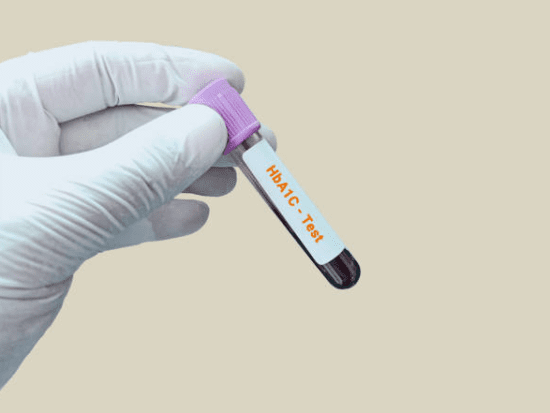
In addition to elevated blood glucose levels of this magnitude, symptoms such as extreme thirst or hunger, frequent urination, fatigue and blurred vision may also indicate an urgent need for medical attention. Therefore, it is always better to avoid caution when dealing with high blood sugar levels and seek professional medical advice if necessary.
What is Considered High Blood Sugar in Canada?
In Canada, high blood sugar levels are a common concern for people with diabetes. A normal fasting blood sugar level is between 4 to 6 mmol/L (millimoles per litre), but anything above that can be considered high.
For those with diabetes, the target range for blood sugar control is generally around 5 to 10 mmol/L before meals and less than 12 mmol/L two hours after eating. However, individual targets may vary depending on age, health status and other factors.
If your blood sugar consistently measures higher than the recommended ranges, it could lead to complications such as nerve damage, kidney problems or heart disease. Therefore, monitoring your levels regularly and working with your healthcare team to manage them effectively is important.
It’s also worth noting that stress and illness can cause temporary spikes in blood sugar levels. Staying hydrated and checking glucose levels more frequently until they return to your target range is essential in these situations.
In summary, high blood sugar in Canada is typically any reading above a fasting level of 6 mmol/L or the recommended targets set by your healthcare provider. Therefore, regular monitoring and management are crucial for preventing complications associated with prolonged elevated glucose levels.
What is an Unsafe Blood Sugar Level?
An unsafe blood sugar level is when your blood glucose levels are too high or too low. High blood sugar, also known as hyperglycemia, can cause damage to various organs and tissues in the body over time. It occurs when the body cannot produce enough insulin or use it effectively.
On the other hand, low blood sugar, or hypoglycemia, can be caused by not eating enough food or taking too much insulin medication. If left untreated, this condition may lead to seizures, loss of consciousness, and even coma.
It’s essential to monitor your blood sugar levels regularly if you have diabetes to avoid any complications from fluctuating glucose levels. In addition, if you experience symptoms such as extreme thirst and hunger, fatigue and blurred vision accompanied by high or low readings on a glucometer device – seek medical attention immediately.
An unsafe level of blood sugar can wreak havoc on one’s health if left unchecked. Regular monitoring of glucose levels through proper self-care measures such as exercise and diet management can help keep your numbers within a safe range for optimal health.
Blood Sugar Levels After Eating
Blood sugar levels after eating can vary depending on what you eat, how much you eat and other factors such as physical activity. The body converts carbohydrates into glucose which is then used by the cells for energy. After a meal, blood sugar levels typically rise as the body starts to digest and absorb the nutrients.
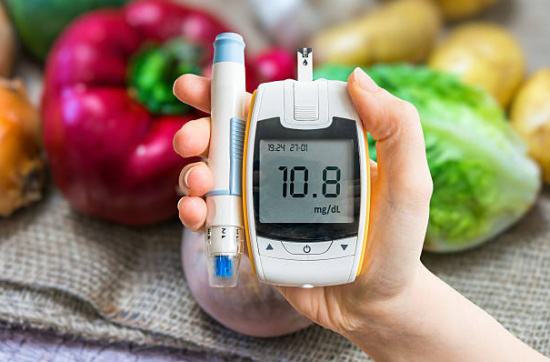
The American Diabetes Association recommends checking your blood sugar two hours after eating to see how your body responds to different foods. If your blood sugar level is consistently high after meals, it may indicate that you have prediabetes or diabetes.
Foods that are high in carbohydrates, such as bread, pasta and sugary snacks, can cause a rapid increase in blood sugar levels. On the other hand, foods that are high in protein and fibre tend to cause a slower rise in blood sugar levels.
Many people with diabetes use insulin therapy or medication to help regulate their blood sugar levels after eating. It’s important to work closely with healthcare professionals to find the right treatment plan based on your needs.
Is the 9.1 Sugar Level High After Eating?
After a meal, it is normal for blood sugar levels to rise temporarily. However, if your blood sugar level remains high after eating, it could be a sign of diabetes or prediabetes. A 9.1 sugar level after eating is considered elevated and may indicate the need for further testing.
It’s important to note that blood glucose levels can vary depending on various factors such as the type of food consumed, the timing of meals and physical activity undertaken before or after meals.
If you consistently experience high blood glucose reading after eating, consult your healthcare provider. They may recommend changes in your diet and exercise routine or prescribe medication to help control your blood sugar levels.
Monitoring your post-meal blood glucose readings regularly is crucial in managing diabetes effectively, as it helps you make informed decisions about lifestyle choices that affect your health.
Is 15 Sugar Level High?
A blood sugar level of 15 mmol/L is considered high and may indicate hyperglycemia, also known as high blood sugar. Hyperglycemia can be caused by factors such as diabetes, stress, illness or medication.
If left untreated, high blood sugar levels can lead to complications such as nerve damage, vision problems, heart disease and kidney damage. Therefore, monitoring your blood sugar levels regularly and seeking medical attention if they consistently remain elevated is essential.
To lower your blood sugar level, if it reaches 15 mmol/L or above, you should drink plenty of water and engage in physical activity like walking or jogging. It’s also recommended to avoid consuming sugary foods or drinks that can further increase your glucose levels.
A blood sugar level of 15 mmol/L is considered high and requires immediate action to prevent potential health complications.
Conclusion
A balanced blood sugar level is crucial for maintaining good health, especially for people with diabetes. The normal range of blood sugar levels varies depending on the time of day and whether you have eaten recently.
Canada’s fasting blood glucose level between 4 to 6 mmol/L is considered normal. However, anything above this range can be dangerous if sustained over an extended period.

Canada’s highest safe blood sugar level depends on factors such as age, overall health status and other underlying medical conditions. But, generally speaking, a consistent reading above 10 mmol/L should prompt immediate medical attention.
Knowing when to seek help is essential because high blood sugar can lead to severe complications such as nerve damage, eye problems and cardiovascular disease if left untreated.
Remember that your doctor will advise you on your target range based on individual circumstances. Monitoring your levels regularly at home or using continuous glucose monitoring systems (CGM) is also beneficial.
Maintaining healthy blood sugar levels and preventing complications associated with high readings requires adopting lifestyle changes such as eating well-balanced meals rich in fibre and protein while limiting processed foods that are high in added sugars. Even though short walks every hour or so while working from home, daily exercise helps reduce risks too!
Ultimately staying proactive about managing one’s health is critical towards achieving optimum wellbeing!