When Was Asbestos Banned in Canada?
- mila
- May 29, 2023
- Home and Living
- Asbestos Awareness, Asbestos Ban in Canada, Asbestos Regulations, Health Risks
- 0 Comments
Asbestos was once widely used in Canada for its insulating and fire-resistant properties, but it is now known as a dangerous carcinogen. The Canadian government has taken steps to ban asbestos due to its health risks and potential dangers. But when exactly was asbestos banned in Canada? In this blog post, we will explore the timeline of asbestos use and regulation in Canada and provide tips on checking for and safely removing any asbestos found in your home. Let’s dive into this important topic together!
What Exactly is Asbestos?
Asbestos is a naturally occurring mineral that has been used for centuries in various applications due to its unique properties. It’s made up of tiny fibers resistant to heat, fire, and electricity. As a result, asbestos was widely used in construction materials such as cement, insulation, roofing shingles, floor tiles and more.
Asbestos comes from the Greek meaning “inextinguishable” or “indestructible,” which highlights its resilient nature. When asbestos-containing materials are disturbed or damaged through drilling or sanding, microscopic asbestos fibers can be released into the air.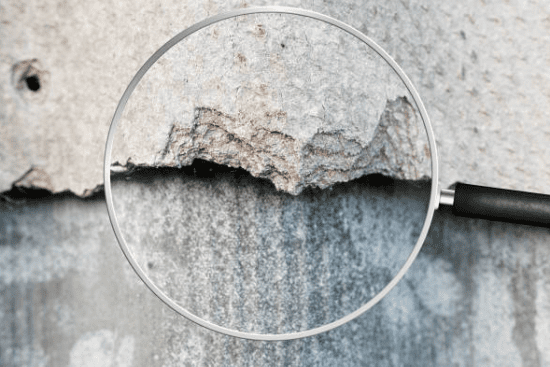
These fibers can then be inhaled by anyone nearby and pose serious health risks over time. The problem with these tiny fibers is that they get lodged in the lungs, where they cause irritation and inflammation leading to lung diseases such as mesothelioma and lung cancer.
Because of these dangers associated with asbestos exposure, it is crucial to know when it was banned in Canada so we can take appropriate measures for our safety.
What Caused Asbestos Ban in Canada?
Asbestos was once considered a miracle mineral for its fire-resistant properties and versatility in construction materials. However, it wasn’t until the 20th century that significant health concerns regarding exposure to asbestos fibers began to surface.
Studies found that inhalation of asbestos fibers could lead to lung cancer, mesothelioma, and other respiratory diseases. As more cases of asbestos-related illnesses emerged, activists and workers’ unions began calling for stricter regulations on using this hazardous material.
In response to mounting pressure from public health advocates, Canada first introduced restrictions on asbestos use in the late 1970s. However, as evidence linking asbestos exposure to cancer continued to grow over the following decades, lawmakers finally passed a ban on all forms of asbestos in 2018.
The ban covers not only the production but also the importation and exportation of products containing any amount of asbestos. This move aims to protect Canadians from exposure while allowing controlled exceptions for certain scientific or medical purposes.
It took years of tireless advocacy before Canada’s government finally implemented a comprehensive ban on this dangerous substance.
When Was Asbestos Banned in Canada?
Asbestos is a naturally occurring mineral once widely used in Canada for its fire-resistant properties. However, it wasn’t until the health risks associated with asbestos exposure were discovered that the government took action to ban it.
In Canada, the use of asbestos began declining in the 1970s as concerns about its harmful effects grew. In 1986, regulations were implemented to limit exposure to asbestos in workplaces and products such as insulation and roofing materials.
It wasn’t until December 30th, 2018, that a comprehensive ban on all forms of asbestos occurred in Canada under the Prohibition of Asbestos and Products Containing Asbestos Regulations (PAR). This means that importing, manufacturing, selling or using any form of asbestos is now prohibited.
While this may seem like a positive step forward for public health and safety, many buildings across Canada contain asbestos-containing materials (ACMs) that need to be properly identified and removed by certified professionals.
What Year Did They Stop Using Asbestos?
Asbestos was a popular material used in various industries for many decades. However, Canada decided to ban asbestos usage entirely due to its hazardous nature and associated health risks.
The use of asbestos began to decline in Canada starting in 1979 when there were growing concerns about its harmful effects on human health. After several years of debates and discussions, the Canadian government finally banned all forms of asbestos on December 31st, 2018.
No company or individual can import, sell or use any products containing asbestos within Canadian borders. The government took this action based on scientific evidence linking prolonged exposure to asbestos fibres with respiratory diseases such as lung cancer and mesothelioma.
Although it has been illegal to manufacture or import asbestos-containing products in Canada since 2018, some older buildings still contain materials from this toxic substance. As such, homeowners are advised to know the potential dangers of these materials if renovation work is carried out.
Even though it took several decades for Canada’s authorities to recognize and act upon the hazards posed by using asbestos-containing products, they eventually banned them completely at the end of 2018.
Dangers of Asbestos
Asbestos is a dangerous substance that can cause severe and fatal health problems in humans. When inhaled, asbestos fibres can get stuck in the lungs and cause inflammation, scarring, and even cancer. Unfortunately, it takes years for symptoms to develop after asbestos exposure, so people may not be aware of the risks until it’s too late.
The most common diseases associated with asbestos include:
- Lung cancer.
- Mesothelioma (a rare form of cancer).
- Asbestosis (a chronic lung disease).
- Pleural thickening (scarring of the lining around the lungs).
These conditions have no cure, so prevention is key when avoiding asbestos exposure.
Unfortunately, many were exposed to asbestos before its dangers became widely known. Workers who handled or worked near asbestos products were at high risk of developing these illnesses. Even family members who lived with these workers could have been exposed through secondhand contact.
It’s important to note that you don’t need direct contact with an old product containing asbestos; being nearby during demolition or renovation work on a building constructed before 1990 can put you at risk for exposure. This highlights why identifying and removing this hazardous material from your home is crucial for maintaining your safety and well-being.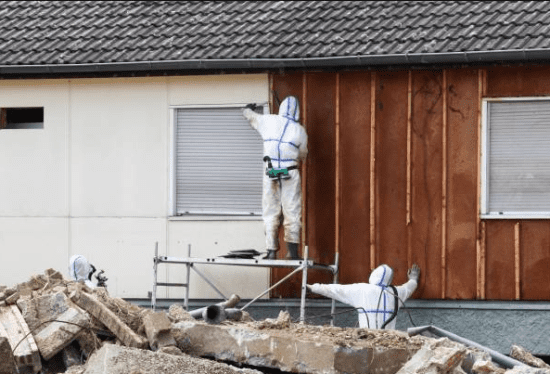
How to Check for Asbestos in Your Home?
Asbestos was once a common building material, which means your home may contain this hazardous mineral. If you’re concerned about the presence of asbestos in your home, there are several things you can do to check for its presence.
Firstly, identify when your house was constructed and what materials were used. For example, homes built before 1990 may contain asbestos-containing materials such as pipe insulation, flooring, or ceiling tiles.
Next, visually inspect these materials for signs of damage or deterioration. Asbestos is most dangerous when it’s disturbed, and fibers become airborne. Damaged areas should be avoided until a professional has inspected them.
If you suspect certain materials may contain asbestos but aren’t sure, consider contacting an accredited laboratory to test samples from your home.
If you’re planning any renovations or repairs in your home, ensure that a trained professional inspect suspected asbestos-containing materials before any work is done.
By being aware of the potential risks associated with asbestos and taking necessary precautions to identify its presence in your home, you can help keep yourself and those around you safe from exposure.
How to Remove Asbestos From Your Home
Asbestos can be dangerous to human health if it is not handled properly. Therefore, you must take precautions when removing asbestos from your home. Here are some steps to follow:
1) Identify the source of the asbestos and assess its condition
2) Ensure that you have protective gear such as gloves, masks, overalls and goggles
3) Use a wet removal technique to minimize dust exposure
4) Place removed materials in leak-tight containers labelled “asbestos waste.”
5) Dispose of asbestos waste at an appropriate facility
It’s also worth noting that unless you’re experienced with handling asbestos or have received proper training on doing so safely, it may be best to leave the job up to professionals with the necessary knowledge and equipment.
Conclusion
Asbestos was once a popular construction material due to its fire-resistant and durable properties. However, it was later discovered that asbestos exposure can lead to serious health risks such as lung cancer, mesothelioma, and asbestosis.
Canada banned all forms of asbestos in 2018 after several decades of regulations aimed at limiting its use. While this ban is a significant step towards protecting Canadians from asbestos exposure, homeowners and workers must remain vigilant about potential asbestos-containing materials in their homes or workplaces.
If you’re unsure if your home contains hazardous materials such as asbestos, inspect it by a licensed professional before renovating or repairing it. And If you do find yourself dealing with an issue involving asbestos-containing materials, be sure to contact qualified professionals experienced in handling these situations safely.
By taking these necessary precautions and staying informed about the dangers surrounding Asbestos exposure, we can ensure that our families stay safe while living healthy lives for many years.