Minimum Wage in Saskatchewan 2023: Everything You Need to Know
- mila
- November 4, 2023
- Finance
- minimum wage in saskatchewan, minimum wage in saskatchewan per hour, what is minimum wage in saskatchewan 2023
- 0 Comments
Are you curious about the minimum wage in Saskatchewan? Well, get ready to dive into all the need-to-know details! Whether you’re a student looking for part-time work or an employee wondering if your paycheck meets the provincial requirements, this blog post has got you covered. We’ll explore who is entitled to the minimum wage, any exceptions that may apply, and break down the different minimum wage rates in Saskatchewan. So, buckle up and let’s uncover everything there is to know about the minimum wage in Saskatchewan for 2023!
What is the Minimum Wage in Saskatchewan?
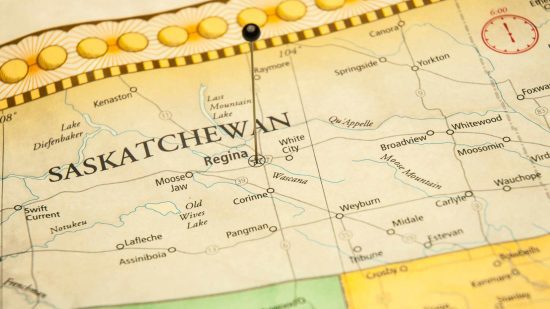 When it comes to the minimum wage in Saskatchewan, it’s important to know the baseline for fair compensation. The general minimum wage applies to most employees, and as of 2023, it stands at $14 per hour. This rate ensures that workers receive a decent income for their labor and contributes towards a more equitable society.
However, certain job categories have different minimum wage rates. For instance, liquor servers earn a lower base pay due to tips being part of their income. Additionally, resident caretakers who live on-site may have specific requirements and wages defined by their employment agreements. And let’s not forget about students under 18 who also enjoy special provisions when it comes to minimum wage rates. So now that we’ve covered the basics let’s explore further!
Who is Entitled to the Minimum Wage in Saskatchewan?
 In Saskatchewan, the minimum wage is a right that applies to most workers. Whether you work full-time, part-time, or on a casual basis, you are entitled to receive at least the minimum wage set by the government. This includes employees in both the private and public sectors.
The entitlement to minimum wage extends beyond age or experience level. It doesn’t matter if you are a young student looking for your first job or an experienced worker seeking additional income; as long as you are employed in Saskatchewan, you have the right to earn at least the minimum wage. So whether you’re flipping burgers at a fast-food restaurant or serving drinks at a bar, make sure that your employer is paying you what is legally owed!
What Are the Exceptions to the Minimum Wage in Saskatchewan?
 There are certain exceptions to the minimum wage in Saskatchewan that you should be aware of. These exceptions apply to specific groups of workers and may allow employers to pay them a lower rate than the general minimum wage.
One exception is for liquor servers, who have a separate minimum wage rate. This is because liquor servers often earn tips as part of their income. The idea behind this exception is that the tips they receive can make up for the lower hourly wage. However, it’s important to note that if a server’s tips do not bring them up to at least the general minimum wage, their employer must make up the difference. Another exception applies to resident caretakers, who may receive accommodation as part of their compensation package. In these cases, employers can deduct a portion of the fair market value of the accommodation from the employee’s wages when calculating their overall compensation.
These exceptions highlight some nuances in how minimum wage laws are applied in different industries and situations within Saskatchewan. It’s crucial for both employees and employers alike to understand these exceptions and ensure compliance with provincial employment standards regulations
Minimum Wage Rates in Saskatchewan
 1. General Minimum Wage
 1. General Minimum Wage
The general minimum wage in Saskatchewan is the standard rate that applies to most employees in the province. It is important for workers to know their rights and understand what they are entitled to earn.
As of 2023, the general minimum wage in Saskatchewan is set at $14 per hour. This means that any employee who does not fall into a specific category or exception must be paid at least this amount for every hour worked. It’s crucial for employers to adhere to these regulations and ensure that their employees receive fair compensation for their time and effort.
2. Liquor Server Minimum Wage
The Liquor Server Minimum Wage is a unique category within the minimum wage rates in Saskatchewan. It applies to individuals who work primarily as servers in establishments that serve alcohol, such as bars and restaurants.
This minimum wage rate takes into account the fact that many liquor servers earn tips as part of their income. As of 2023, the Liquor Server Minimum Wage is set at $11.45 per hour. This rate may be lower than the general minimum wage due to the expectation of tips supplementing earnings. However, it’s important to note that if a liquor server does not earn enough in tips to bring their total hourly wage up to or above the general minimum wage rate, employers are required by law to top up their earnings.
The Liquor Server Minimum Wage recognizes both the potential for higher earnings through tips and provides protection for those who do not meet this threshold. This ensures fair compensation for all workers in this industry sector while accounting for its unique nature and remuneration structure.
3. Resident Caretaker Minimum Wage
If you work as a resident caretaker in Saskatchewan, it’s important to know the minimum wage that applies to your role. The Resident Caretaker Minimum Wage is a specific rate set by the government for individuals who live on the premises and provide services such as maintenance, cleaning, and security.
For 2023, the Resident Caretaker Minimum Wage in Saskatchewan is $13.60 per hour. This rate ensures that resident caretakers receive fair compensation for their responsibilities and contributes to maintaining safe and well-maintained living environments for residents.
Whether you’re considering becoming a resident caretaker or are already working in this role, understanding the minimum wage regulations can help ensure that you are being paid appropriately for your valuable contributions to the community. Keep reading to learn more about how to claim the minimum wage in Saskatchewan!
4. Minimum Wage for Students Under 18
If you’re a student under the age of 18, you might be wondering what the minimum wage in Saskatchewan is for someone in your situation. Well, good news! The province has specific regulations in place to ensure that young workers are protected and fairly compensated.
In Saskatchewan, students under the age of 18 are entitled to receive a minimum wage that is lower than the general minimum wage. This lower rate recognizes that these individuals may have less experience or fewer responsibilities compared to adult workers. So if you’re a student looking for part-time work or considering your first job opportunity, rest assured that there are laws in place to ensure you receive fair compensation.
How to Claim the Minimum Wage in Saskatchewan?
 Claiming the minimum wage in Saskatchewan is an important step for workers to ensure they are receiving fair compensation for their labor. To successfully claim the minimum wage, there are a few key steps to follow.
1. Keep Track of Your Hours Worked
Tracking your hours worked is essential to ensure that you are being paid the minimum wage in Saskatchewan. It may seem like a simple task, but it can make a big difference in protecting your rights as an employee.
Start by keeping a record of the time you arrive and leave work each day. This can be done using a notebook or even a smartphone app. Be diligent about recording any breaks or meal periods too. By accurately tracking your hours, you will have concrete evidence if there are any discrepancies between what you should be paid and what you actually receive.
Reviewing Your paystubs is another crucial step to ensure that you are being compensated fairly. Take the time to carefully examine each statement for accuracy, paying attention to details such as total hours worked, hourly rate, deductions, and overtime calculations if applicable. If anything seems incorrect or unclear, don’t hesitate to reach out to your employer for clarification. Remember, it’s within your rights as an employee to understand how your wages are calculated and seek resolution if necessary.
2. Review Your Paystubs Carefully
When it comes to ensuring you are receiving the minimum wage in Saskatchewan, reviewing your paystubs carefully is essential. Paystubs provide a detailed breakdown of your earnings and deductions, allowing you to verify if you are being paid correctly.
Take the time to scrutinize each line item on your paystub. Look for any discrepancies that may affect your wages, such as missing hours or incorrect rates. By meticulously reviewing your paystubs, you can identify any potential errors or omissions and address them promptly with your employer or the Employment Standards Branch if necessary. Your diligent attention to detail empowers you to advocate for fair compensation and ensure compliance with minimum wage regulations.
3. Contact the Employment Standards Branch if You Think You Are Not Being Paid the Minimum Wage
If you believe that your employer is not paying you the minimum wage in Saskatchewan, it’s important to take action. One course of action is to contact the Employment Standards Branch. They are responsible for enforcing employment standards and can provide guidance and assistance if you suspect a violation.
When reaching out to the Employment Standards Branch, be prepared with all relevant information regarding your employment, including dates of work, hours worked, and any evidence or documentation that supports your claim. They will review your case thoroughly and determine if there has been a violation of minimum wage laws.
Remember that it’s crucial to advocate for yourself and ensure fair treatment in the workplace. Don’t hesitate to seek help from the appropriate authorities if you suspect that you are being paid less than the minimum wage mandated by law.
Conclusion
As the minimum wage in Saskatchewan is set to increase again in 2023, it is important for both employees and employers to understand the implications of this change. While it may bring a sense of financial relief for some workers, businesses may need to adjust their operations and prices accordingly. It is crucial that we continue to have conversations and evaluations about fair wages and work towards creating an economy where everyone can thrive. Only then can we truly achieve a more equitable society for all individuals involved.