Fire Hydrant Parking – Do’s & Don’ts
- mila
- December 22, 2023
- Lifestyle
- fire hydrant parking, fire hydrant parking rules, fire hydrant parking sign
- 0 Comments
Welcome to our blog post on fire hydrant parking! We’ve all seen that one car parked oh-so-conveniently in front of a fire hydrant, oblivious to the potential consequences. But have you ever wondered why fire hydrant parking is regulated? Or what you should and shouldn’t do when it comes to this particular parking dilemma? Well, wonder no more! In this article, we’ll dive into the do’s and don’ts of fire hydrant parking, giving you a clear understanding of why these regulations exist and how they can make a difference in emergencies. So buckle up (or maybe unbuckle if you’re already parked!) because we’re about to extinguish any confusion surrounding fire hydrant parking once and for all! Let’s get started!
Why is Fire Hydrant Parking Regulated?
 Fire hydrants play a crucial role in ensuring public safety during emergencies. These vital water sources are essential for firefighters to extinguish fires and save lives quickly. That’s why it’s important for fire hydrants to always be easily accessible, without any obstructions like parked cars.
Regulating fire hydrant parking is necessary to prevent potential disasters. A vehicle blocking a fire hydrant can significantly delay firefighting efforts, putting lives and property at risk. Seconds matter in emergencies, and every delay can have catastrophic consequences.
By enforcing regulations on fire hydrant parking, authorities ensure that these life-saving resources remain unobstructed when needed most. It helps emergency services respond swiftly and effectively in critical situations, minimizing damage and maximizing the chances of saving lives.
Remember: Fire hydrants are not just inconveniences you find along the curb but crucial assets safeguarding our communities!
Fire Hydrant Parking Regulations
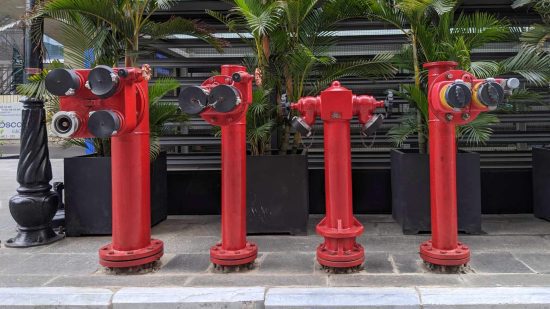 Fire Hydrant Parking Regulations can vary from city to city, but they all have one thing in common – the importance of keeping fire hydrants accessible at all times. These regulations are implemented to ensure that emergency vehicles can quickly and easily access hydrants in case of a fire or other emergencies.
One key regulation is never parking within 15 feet of a fire hydrant. This distance allows enough space for firefighters to connect hoses and operate the hydrant effectively. It’s essential to be mindful of this rule, even if you just stop for a few minutes.
Another important regulation is not blocking or obstructing access to fire hydrants with objects, such as garbage cans, fences, or potted plants. Even if your vehicle isn’t parked directly in front of the hydrant, it could still hinder firefighters’ ability to get their equipment close enough during an emergency.
Always follow these regulations and respect the importance of keeping fire hydrants clear. By doing so, you’ll be helping ensure the safety and efficiency of our emergency services when every second counts.
Do’s
 When it comes to parking near fire hydrants, certain guidelines should be followed to ensure the safety and accessibility of these crucial emergency resources. Here are some important “Do’s” to keep in mind:
Always leave a minimum clearance of 15 feet in front of the hydrant. This ensures firefighters have easy access to the water supply in an emergency. Parking too close can hinder their ability to connect hoses and potentially delay critical firefighting efforts quickly.
Be aware of any signage or markings indicating restricted areas around fire hydrants. Some locations may have specific regulations regarding parking distances or times when parking is prohibited altogether. It’s essential to respect these restrictions and find alternative parking options.
Stay informed about local regulations and laws regarding fire hydrant parking in your area. Regulations can vary from city to city, so it’s important to familiarize yourself with the rules specific to your location. Being well-informed will not only help you avoid potential fines but also contribute to maintaining public safety.
Remember, following these simple “Do’s” can ensure that fire hydrants remain accessible during emergencies while keeping our communities safe.
Don’ts
 When it comes to parking near a fire hydrant, certain rules and regulations must be followed. It’s important to understand the “don’ts” of fire hydrant parking to ensure the safety and accessibility of emergency services.
Don’t ever park in front of a fire hydrant or within 15 feet of one. This is crucial because it obstructs firefighters’ access to connect hoses during an emergency. Even if you’re just running into a store quickly, never underestimate the importance of keeping this area clear.
Don’t assume that parking partially in front or behind a fire hydrant is acceptable. Any obstruction can hinder emergency responders from doing their job effectively and efficiently. Remember, even if your intentions are good and you think you won’t be blocking access entirely, any obstruction is still considered a violation.
Don’t ignore warning signs or markings on curbs indicating no parking zones near fire hydrants. These signs exist for a reason: to keep these areas clear for emergencies. Ignoring them puts lives at risk and carries hefty fines and potential towing expenses.
Following these simple “don’ts” will help ensure that vital firefighting equipment remains accessible during emergencies while avoiding unnecessary penalties and inconveniences for yourself!
Emergency Services Perspective
 When it comes to fire hydrant parking, it’s not just a matter of inconvenience or violating regulations. We need to consider a crucial perspective – the perspective of emergency services. Imagine firefighters rushing to extinguish a blazing fire, only to find their access blocked by a vehicle parked in front of a hydrant. Seconds can make all the difference in such high-stakes situations! The obstruction caused by illegal parking can mean delayed response times and potentially devastating consequences.
From an emergency services standpoint, unobstructed fire hydrant access is critical. These hydrants serve as lifelines during emergencies, providing firefighters with the water they need to quickly and effectively combat fires. Parking too close or blocking these vital resources puts lives at risk and hampers the ability of responders to do their jobs efficiently.
Emergency service providers constantly stress the importance of keeping fire hydrants clear at all times. They urge drivers not only to avoid parking directly in front of them but also to ensure enough space for easy maneuvering and quick connection of hoses if necessary. This means leaving sufficient clearance on both sides and maintaining an appropriate distance from the curb.
In emergencies, every second counts, and ensuring unimpeded access to fire hydrants can be a matter of life or death. Our Canadian citizens are responsible for prioritizing safety over convenience when it comes to parking near these essential firefighting resources. By being mindful of where we park our vehicles, we contribute towards creating safer communities for ourselves and those around us.
Educational Campaigns and Initiatives
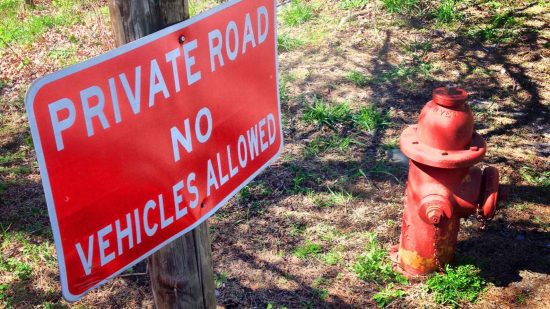 Educational Campaigns and Initiatives are crucial in raising awareness about the importance of not parking near fire hydrants. These campaigns aim to educate drivers on the potential risks and consequences of obstructing fire hydrant access.
One effective approach is public service announcements highlighting real-life scenarios where blocked fire hydrants have hindered emergency response efforts. By showcasing these stories, educational campaigns create a sense of urgency and emphasize the critical need for unobstructed access to fire hydrants.
Another initiative involves partnering with local schools and community organizations to conduct workshops or seminars. These events allow experts from the emergency services sector to share valuable insights, answer questions, and demonstrate the impact of blocked fire hydrant parking through interactive activities or simulations.
Educational campaigns and initiatives are vital in fostering a collective responsibility toward ensuring unrestricted access to fire hydrants. By spreading knowledge about proper parking practices around fire hydrants, we can help minimize response time during emergencies and potentially save lives.
Conclusion
Parking in front of fire hydrants is illegal and poses a significant risk to public safety. Fire hydrant parking regulations exist for a reason – to ensure that emergency services can access water sources quickly and efficiently in case of fires or other emergencies.
In this article, we have discussed the do’s and don’ts of fire hydrant parking. It is crucial to follow these guidelines to avoid fines, penalties, and potential delays in emergency response times.
Remember, when it comes to fire hydrants, always park responsibly by allowing sufficient space for emergency vehicles and never blocking access to these vital resources. By doing so, you are taking an active role in keeping your community safe.
Let us all work together to create awareness about the importance of proper parking etiquette around fire hydrants through educational campaigns and initiatives. Together, we can make a difference and ensure the safety of our neighborhoods. Stay informed, and stay responsible!