What is a Mortgage in Canada?
- mila
- January 21, 2024
- Finance
- types of mortgages canada, what is a mortgage, what is a mortgage in canada
- 0 Comments
Are you ready to dive into the world of mortgages in Canada? Whether you’re a first-time homebuyer or a seasoned homeowner looking to refinance, understanding the ins and outs of mortgages is crucial. In this blog post, we’ll look in-depth at what exactly a mortgage is and how it works in Canada. From exploring different types of mortgages to demystifying the application process, we’ve got you covered. So grab your coffee and get ready to unlock the secrets behind finding the perfect mortgage lender for your needs!
What is a Mortgage in Canada?
 When it comes to purchasing a home in Canada, many people rely on mortgages. But what exactly is a mortgage? Simply put, a mortgage is a loan you take out to finance your property purchase. It is secured by the property itself, which means that if you fail to make your mortgage payments, the lender has the right to take ownership of your home.
Mortgages have specific terms and conditions that outline interest rates, repayment schedules, and any additional fees or penalties. The length of time it takes to pay off a mortgage can vary depending on factors such as the size of your down payment and the type of mortgage you choose. Understanding these details is crucial when embarking on your journey toward homeownership in Canada.
Understanding Mortgage Types in Canada
When it comes to mortgages in Canada, there are different types available to suit the varying needs of borrowers. One common type is a fixed-rate mortgage, where the interest rate remains consistent throughout the term of the loan. This provides stability and predictability for homeowners.
Another option is an adjustable-rate mortgage, where the interest rate fluctuates based on market conditions. This can be beneficial if rates are expected to decrease but carry some risk if they rise. There are also options like variable-rate mortgages and hybrid mortgages that offer a combination of fixed and adjustable rates.
Potential buyers must understand these different mortgage types to choose one that aligns with their financial goals and circumstances. Consulting with a mortgage professional can help clarify which option may be best suited for individual needs.
The Mortgage Application Process
 The mortgage application process in Canada can initially seem daunting, but it becomes much more manageable with a clear understanding of the steps involved. You’ll need to gather all the necessary documents, such as proof of income, employment history, and credit score. Once you have these in order, you can approach lenders or mortgage brokers who will help guide you through the process.
Next comes the pre-approval stage, where the lender assesses your financial situation and determines how much they are willing to lend you. This step is crucial as it gives you a clear idea of your budget when house hunting. After obtaining a pre-approval letter, you can start searching for your dream home. Once you’ve found a property in canada that meets your needs and fits within your budget, it’s time to submit an official loan application with all relevant details about the property and yourself. From there, be prepared for back-and-forth communication, as additional documentation may be requested before final approval.
Mortgage Rates and Payments in Canada
Mortgage Rates and Payments in Canada can play a significant role in determining the affordability of your dream home. The interest rate on your mortgage affects the amount you’ll pay each month and over the life of the loan. In Canada, mortgage rates can vary depending on factors such as market conditions, lender policies, and creditworthiness.
When it comes to mortgage payments, there are two options: fixed-rate mortgages and adjustable-rate mortgages (ARMs). With a fixed-rate mortgage, your interest rate remains constant throughout the term of the loan. This provides stability but may have slightly higher initial rates compared to ARMs. On the other hand, ARMs offer lower initial rates that adjust periodically based on market conditions.
Understanding how mortgage rates work is crucial when planning for homeownership in Canada. By comparing lenders’ offerings and finding one with competitive rates suited to your financial situation, you can secure a payment plan that fits comfortably within your budget. Keep an eye out for additional fees or charges associated with different types of mortgages to ensure you’re getting a comprehensive view before making any decisions about which option is best for you.
Finding the Best Mortgage Lender
 Finding the right mortgage lender is crucial in securing your dream home. With so many options available, choosing the best one for your needs can be overwhelming. But fear not! Here are some tips to help you navigate through the process.
First and foremost, do your research. Compare different lenders’ interest rates, terms, and conditions. Don’t forget to check their reputation and customer reviews, too. Consider getting pre-approved for a mortgage before starting your house hunt. This will give you an idea of how much you can afford and make you more attractive to sellers. Remember, finding the best mortgage lender takes time and effort, but it’s worth it when you find the one that fits perfectly with your financial goals!
Important Considerations for a Mortgage in Canada
When it comes to getting a mortgage in Canada, there are several important considerations you need to keep in mind. First and foremost, you’ll want to think about your financial situation and determine how much you can realistically afford to borrow. This will help guide your search for the right mortgage lender and ensure you don’t take on more debt than you can handle.
Another key consideration is the length of the mortgage term. You can choose between shorter terms (such as 1-5 years) or longer terms (10 years or more). It’s important to consider your plans and whether a shorter or longer term aligns better with your goals. Additionally, consider any potential penalties for breaking a mortgage early if you anticipate needing flexibility.
Considering these factors will help set you up for success when applying for a mortgage in Canada. Always do thorough research and seek professional advice before making any major financial decisions!
Step-by-Step Guide to Applying for a Mortgage
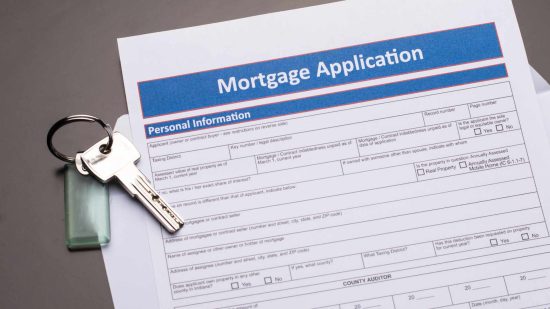 Applying for a mortgage can seem daunting, but it can be a smooth and manageable process with the right steps in place. Here’s a step-by-step guide to help you navigate through the application process.
First, gather all necessary documents, such as proof of income, employment history, and credit reports. This will ensure that you have everything ready when it comes time to submit your application.
Next, research various lenders and compare their rates and terms. Once you’ve chosen a lender that suits your needs, complete the application form and provide any additional documentation requested. Wait for the lender to review your application and make their decision.
By following these steps diligently, you’ll increase your chances of securing a mortgage that fits your financial goals without unnecessary stress or confusion.
Factors Affecting Mortgage Rates in Canada
When it comes to getting a mortgage in Canada, one of the most important factors to consider is the interest rate. The interest rate determines how much you will pay each month and over the life of your loan. But what exactly affects these rates?
One key factor is the Bank of Canada’s prime lending rate. This rate is a benchmark for lenders and can influence nationwide mortgage rates. Other factors include inflation, economic conditions, and government policies. Lenders also consider your credit score, down payment amount, and loan term when determining your personalized mortgage rate.
Understanding these factors can help you find the best mortgage with favourable terms that suit your financial situation.
Tips for Comparing Mortgage Lenders in Canada
When it comes to comparing mortgage lenders in Canada, there are a few key tips that can help you make an informed decision. First, take the time to research and gather information about different lenders. Look at their reputation, customer reviews, and track record.
Next, consider the interest rates and fees offered by each lender. It’s important to compare the initial rate and any potential increases over time. Additionally, understand all the mortgage costs, including closing costs and insurance premiums.
Don’t forget about customer service. A responsive and helpful lender can make a big difference throughout the application process. Take advantage of any resources or tools they offer to help you navigate your mortgage journey smoothly.
By following these tips and carefully evaluating your options, you’ll be better equipped to find a mortgage lender that meets your current and future needs.
Mortgage Terms and Conditions in Canada
 Mortgage terms and conditions in Canada are imporatant aspects to consider when applying for a loan. These terms outline the specific details of your mortgage agreement, including the interest rate, repayment schedule, and any additional fees or penalties.
It’s crucial to review these terms carefully before signing the dotted line. Ensure you understand the length of your mortgage term and whether it is open or closed. Open mortgages allow prepayment without penalty, while closed mortgages may have restrictions.
Additionally, familiarize yourself with any potential penalties for breaking your mortgage early. Understanding these conditions will help you make informed decisions about your financial future and ensure that you are comfortable with all aspects of your mortgage agreement.
Conclusion
In conclusion, a mortgage is an important aspect of homeownership in Canada. It allows individuals and families to purchase their dream homes without having to pay the entire amount upfront. Understanding the different types of mortgages and factors that affect them is crucial for making informed decisions when it comes to buying a house. With this knowledge, you will be better equipped to navigate the Canadian housing market and find the right mortgage option for your needs. So why wait? Start planning for your future home ownership today!