What is Probate in Ontario? – All You Need to Know
- mila
- October 27, 2023
- Finance
- how long does probate take in ontario 2023, what is probate in ontario, when is probate required in ontario
- 0 Comments
Welcome to our blog post on probate in Ontario! If you’re unfamiliar with the term, don’t worry – we’ve got you covered. Probate is an essential process that occurs after someone passes away, and it plays a crucial role in ensuring their estate is distributed according to their wishes. Whether you’re an executor of a will or simply curious about how probate works in Ontario, this article will provide you with all the information you need to know. So, let’s dive right in and demystify the world of probate together!
What is Probate?
 Probate is a legal process that validates and executes a deceased individual’s last will and testament. It ensures that their assets are distributed according to their wishes as outlined in the will. This involves proving the will’s authenticity, assessing the estate’s value, paying any outstanding debts or taxes, and distributing the remaining assets to beneficiaries.
Probate provides a formal framework for handling an individual’s affairs after they pass away. It brings clarity and legitimacy to the distribution process while protecting all parties. Understanding what probate entails is crucial for anyone involved in estate administration or those who may be beneficiaries named in someone’s will.
What is Probate in Ontario?
Probate in Ontario can be a complex and lengthy process, but it is an important step in settling the estate of a deceased individual. Understanding what probate is and how it works is crucial for anyone involved in the administration of an estate. Probate is the legal process that validates a will and grants authority to the executor to distribute assets according to the wishes of the deceased. It involves filing necessary documents with the court, paying any outstanding debts or taxes, and distributing assets to beneficiaries.
While probate can be time-consuming and expensive, especially if there are disputes or complications along the way, it provides protection for all parties involved by ensuring that proper procedures are followed. If you find yourself dealing with probate in Ontario, it may be helpful to seek guidance from professionals such as lawyers or estate agent who specialize in this area. They can provide valuable insights into navigating through this process smoothly and efficiently.
Remember that each situation is unique, so consulting with experts who have experience in handling probate matters can help ensure that everything is done correctly and according to applicable laws. Ultimately, understanding what probate entails allows you to make informed decisions throughout the entire process. While it may seem overwhelming at first glance, having a clear understanding of your rights and responsibilities will enable you to navigate through this challenging time more confidently. By being well-informed about what probate means in Ontario, you can approach estate administration with greater clarity and peace of mind.
Why is Probate Important?
Probate is an essential legal process ensuring the orderly distribution of a person’s assets after death. It plays a crucial role in protecting the rights and interests of both the deceased individual and their beneficiaries.
Probate provides a formal recognition of the validity of a will. This helps to prevent any disputes or challenges regarding the distribution of assets among family members or other potential claimants. Additionally, probate ensures that debts and taxes owed by the deceased are properly settled before distributing any remaining assets to beneficiaries. By going through this process helps maintain transparency and fairness in handling an individual’s estate, giving everyone involved peace of mind, knowing that everything is being handled according to legal requirements.
When is Probate Required in Ontario?
Probate is required in Ontario when someone passes away and leaves behind assets solely in their name. It is the legal process of validating a deceased person’s will and granting authority to the executor to administer the estate. This ensures that the deceased’s wishes are followed, debts are paid, taxes are settled, and assets are distributed according to the will or intestacy laws.
Probate is generally required if significant assets are involved or the real estate needs to be transferred. However, each situation may vary, so it’s important to consult with a lawyer to determine whether probate is necessary for your specific circumstances.
Who is Responsible for Applying for Probate?
 When it comes to applying for probate in Ontario, the responsibility falls on the shoulders of a specific individual. This person is the estate trustee or executor of the deceased’s will. The executor is usually named in the will and has the legal authority to administer and distribute assets according to the wishes outlined in the will.
The role of an estate trustee comes with significant responsibilities, including gathering all relevant documents, paying any outstanding debts or taxes owed by the deceased, and distributing assets to beneficiaries. This individual must act diligently and responsibly throughout the probate process, ensuring everything is done correctly and complies with Ontario law.
Probate Process in Ontario
The probate process in Ontario is a legal procedure that validates and verifies the authenticity of a deceased person’s will. It involves applying with the court to obtain a Certificate of Appointment of Estate Trustee, which grants the authority to administer the deceased person’s estate.
To begin the probate process, you must gather all necessary documents, such as the original will, death certificate, and other supporting paperwork. Once you have all your documents in order, you can submit your application to the Superior Court of Justice for review. The court will then assess your application and grant you the authority to handle the estate affairs.
Remember that probate is not always required in every situation and can be avoided if certain conditions are met. However, seeking legal advice from a professional is essential to determine whether probate is necessary for your specific case in Ontario.
Steps Involved in the Probate Process
The probate process in Ontario involves several important steps. The executor or estate trustee must gather all necessary documents, including the original will and death certificate. They must then prepare an application for probate, which includes completing various forms and providing detailed information about the deceased’s assets and debts. Once the application is complete, it must be submitted to the Superior Court of Justice along with any required fees.
After applying, there may be a waiting period before a court hearing is scheduled. During this time, the court will review the application and determine if additional information or documentation is needed. Once everything is in order, a Certificate of Appointment of Estate Trustee will be issued to officially grant authority to administer the estate. The appointed estate trustee can then distribute assets to beneficiaries according to the terms outlined in the will (or based on intestacy laws if there was no will).
Timeframe for Probate
The timeframe for probate in Ontario can vary depending on various factors. Generally, it takes several months to complete the process. The exact duration depends on the estate’s complexity, potential disputes or challenges, and the efficiency of the executor or estate trustee.
During this time, it is important to be patient and understanding. Probate involves numerous legal procedures that must be followed meticulously. While it may seem like a lengthy process, ensuring that all assets are properly accounted for and distributed according to the deceased’s wishes is crucial. So hang in there and trust that everything will be resolved as efficiently as possible!
Costs Associated With Probate
One important aspect to consider when going through the probate process in Ontario is the associated costs. Applying for probate incurs various fees and expenses that need to be considered. These costs can include court filing fees, legal representation fees, executor compensation, and estate administration taxes.
Gathering all the necessary information regarding these costs before starting the probate process is essential. Understanding the financial implications will help you plan accordingly and avoid any surprises along the way. Remember, it’s always a good idea to consult with professionals specialising in estate planning or probate law to understand what expenses you can expect during this process.
By being well-informed about the costs associated with probate, you can navigate this complex procedure more confidently and protect your loved ones’ assets efficiently. So make sure you budget accordingly and seek professional advice if needed throughout the entire process.
Types of Probate in Ontario
 When it comes to probate in Ontario, different types can apply depending on the circumstances. One option is a Small Estate Certificate, which may be appropriate for estates with a total value under a certain threshold. Another type is the Certificate of Appointment of Estate Trustee Without a Will, which applies when someone dies without leaving behind a valid will. There’s the Certificate of Appointment of Estate Trustee With a Will for cases with a valid will.
Each type of probate serves its purpose and has specific requirements that must be met. Understanding these distinctions can help navigate the probate process smoothly and efficiently.
1. Small Estate Certificate
A Small Estate Certificate is available in Ontario for estates with a total value of less than $150,000. This certificate allows the estate trustee to distribute the assets without going through the full probate process.
To apply for a Small Estate Certificate, you must provide specific documents such as proof of death, a completed application form, and an affidavit confirming that the estate qualifies as small. Once approved, the estate trustee can transfer or sell assets and distribute them according to the deceased’s wishes. It is important to note that this option is only available for smaller estates and may not be suitable for larger or more complex ones.
2. Certificate of Appointment of Estate Trustee Without a Will
If a person passes away without leaving behind a will, it can complicate matters when distributing their assets. This is where the Certificate of Appointment of Estate Trustee Without a Will comes into play. This certificate allows someone to be appointed as the estate trustee and manage the deceased’s affairs.
Certain documents must be submitted to the court to obtain this certificate, such as an application form and an affidavit confirming that there is no will. The process can take some time, as the court needs to ensure that all legal requirements are met before granting the certificate. Anyone in this situation must seek proper guidance from professionals specialising in probate law.
3. Certificate of Appointment of Estate Trustee With a Will
The Certificate of Appointment of Estate Trustee With a Will is a legal document that gives the designated executor the authority to administer and distribute a deceased individual’s assets according to their will. This certificate ensures that the executor has the necessary powers and responsibilities to carry out their duties effectively.
To obtain this certificate, the executor must submit an application to the Ontario Superior Court of Justice along with relevant documents such as the original will, an affidavit stating details about the estate, and any other required forms. The court reviews these documents to ensure they are valid and appoints the executor as an estate trustee with a will if everything meets legal requirements.
This certificate ensures that estates are managed properly and by the wishes outlined in a person’s will. It provides peace of mind for all parties involved, knowing that there is legal authorization for carrying out important tasks such as collecting assets, paying debts, filing tax returns, and distributing inheritances to beneficiaries. Obtaining this certificate is essential in settling an estate efficiently and fairly.
How to Apply for Probate in Ontario?
 Applying for probate in Ontario can seem daunting, but it can be a smooth process with the right information and preparation. To start, gather all required documents, such as the death certificate, will (if applicable), and an inventory of assets and debts.
Next, you’ll need to complete the necessary application forms, which can be obtained from your local courthouse or online. Once you have all your paperwork, you can submit your application to the court and the required fees. It’s important to note that these fees are based on the estate’s value.
Remember to double-check everything before submitting your application to avoid delays or complications. While waiting for approval, it’s crucial to be patient as the probate process in Ontario can take several months. Following these steps and being prepared throughout the process makes applying for probate more manageable.
1. Required Documents
When applying for probate in Ontario, several required documents must be submitted. These documents include the original will, if one exists, and any associated codicils or amendments. Additionally, you must provide a completed application form, a death certificate, and proof of the deceased’s assets and liabilities.
It is also important to gather other relevant documentation, such as bank statements, property deeds, and insurance policies. These documents help establish the estate’s value and ensure all necessary information is provided during the probate process.
2. Where to Apply for Probate?
When it comes to applying for probate in Ontario, knowing where to go is crucial. The first step is to determine which court has jurisdiction over the estate. In most cases, you must apply at the Superior Court of Justice in the county or district where the deceased person lived at the time of their death. This ensures that you submit your application to the appropriate court and follow the correct procedures.
Once you have determined which court to apply to, you can gather all the documents and forms required for probate. These may include a completed Application for Certificate of Appointment of Estate Trustee form, an original copy of the death certificate, a copy of the Will (if applicable), and any other supporting documentation requested by the court. It’s important to follow these guidelines carefully and submit all required materials to avoid delays in processing your application.
3. Fees Associated With Applying for Probate
When it comes to applying for probate in Ontario, there are certain fees that you need to be aware of. These fees are required as part of the application process and can vary depending on the estate’s value. It’s important to note that these fees can add up, so it’s crucial to budget accordingly.
The government sets the fee structure for probate applications, which can be found on their website. Generally, the fees are based on a percentage of the estate’s total value. It’s essential to accurately evaluate the assets when calculating these fees. Keep in mind that additional costs may apply if you require additional certificates or documents during the process. So, it’s always a good idea to consult with a legal professional or seek guidance from experts specialising in probate matters for more detailed information about specific costs associated with your case.
Remember, being prepared financially is key when applying for probate in Ontario. Consider all potential expenses for this process and ensure you have enough funds available before starting your application journey!
Tips for Applying for Probate in Ontario
 Gather all of the required documents in advance. Before starting the probate application process, make sure you have gathered all the necessary documents and information. This includes the original will, death certificate, and detailed inventory of assets and debts. Having everything ready beforehand can avoid delays and ensure a smoother application process.
Be prepared to pay the applicable fees. When applying for probate in Ontario, certain fees must be paid. These fees are based on the value of the estate being administered. It is important to be aware of these costs upfront to budget accordingly and avoid any surprises during the application process.
Remember to stay patient throughout the probate process, as it can take several months to complete. Various steps may involve filing paperwork with the court and waiting for approval from a judge or registrar. It’s important to understand that this legal process takes time, so it’s best to remain patient while navigating through it.
Following these tips can help streamline your probate application in Ontario and ensure a smoother experience overall.
Gather All of the Required Documents in Advance
Gathering all required documents is crucial when applying for probate in Ontario. This will help streamline the process and prevent any delays or complications. Start by gathering important legal documents such as the beneficiaries’ original will, death certificate, and birth certificates. Additionally, gather financial documents such as bank statements, investment records, and property deeds. Having these documents organized and readily available will make the probate application process much smoother.
Once you have gathered all the necessary paperwork, it’s a good idea to consult an estate lawyer to ensure everything is in order. They can guide any additional documentation that may be needed based on your specific circumstances. Remember to keep copies of all documents for your records as well. By being proactive and prepared with all of the required documentation ahead of time, you can help expedite the probate process and reduce stress during an already difficult time.
Be Prepared to Pay the Applicable Fees
When it comes to applying for probate in Ontario, one important aspect to consider is the fees associated with the process. It’s crucial to be prepared financially and clearly understand the costs involved.
Applying for probate requires payment of various fees, including court filing fees and estate administration taxes. These expenses can vary depending on factors such as the value of the estate and whether or not there is a will. It’s essential to carefully review and calculate these fees beforehand to avoid surprises during the application process.
Being prepared to pay the applicable fees ensures that your probate application proceeds smoothly without delays or complications. Make sure you have sufficient funds set aside specifically for covering these expenses. Consulting with an experienced lawyer or estate professional can help you navigate this aspect of applying for probate in Ontario effectively.
Be Patient, as the Probate Process Can Take Several Months
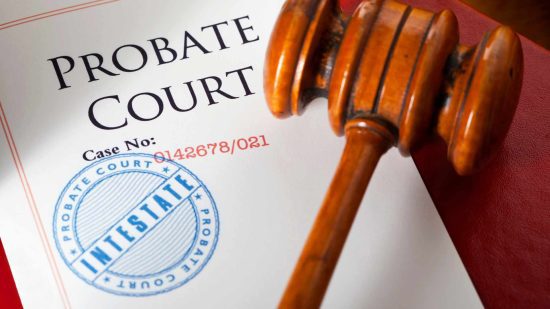 Applying for probate in Ontario can be a lengthy process, so it’s important to be patient. The entire process can take several months from start to finish, depending on various factors.
There is the time required to gather all the necessary documents and information for the application. This includes obtaining death certificates, locating and valuing assets, and identifying beneficiaries or heirs. Once all of this information is gathered, it must be submitted to the court along with the application for probate.
Then comes the waiting period as the court reviews and processes your application. This can also vary depending on factors such as court backlog or any complications that may arise during the review process.
It’s important to remember that patience is key when dealing with probate in Ontario. While it may feel frustrating to wait for approval and navigate through legalities, staying calm throughout this process is crucial.
Additionally, seeking assistance from an experienced estate lawyer can help streamline things and ensure everything moves forward as smoothly as possible.
So, if you apply for probate in Ontario, take a deep breath and remind yourself that patience will pay off in due course.
Conclusion
In conclusion, probate in Ontario is an essential legal process that ensures a deceased person’s assets are distributed according to their wishes. While it may seem daunting and complex, understanding the basics of probate can help you plan for the future and protect your loved ones. Whether planning or dealing with a loved one’s estate, consulting with a knowledgeable lawyer can guide you through this process and ensure everything is handled properly. With proper knowledge and preparation, navigating the probate process can be much smoother for everyone involved.